
Pantaleon (Heiliger)
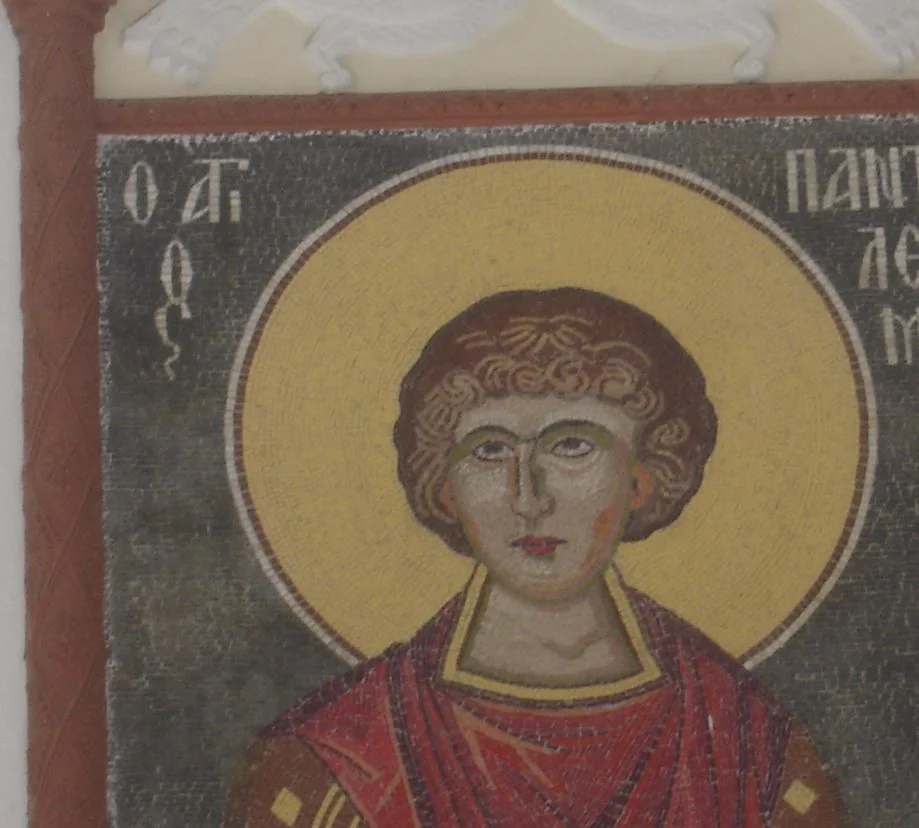
Image from Wikipedia
Image from Wikipedia
Pantaleon: The Early Christian Martyr, Saint, and Patron of Doctors
A Life Between Healing, Faith, and Legend
Pantaleon, also known as Panteleimon, is one of the most well-known saints in Christian tradition. According to tradition, the early Christian martyr was born in Nicomedia and died around the year 305 during the Diocletian persecution. His name and veneration connect medical care, testimonies of faith, and the power of a long reception of sainthood, which makes him a constant figure in the history of Christian culture to this day. ([heiligenlexikon.de](https://www.heiligenlexikon.de/BiographienP/Pantaleon.htm?utm_source=openai))
Biography and Origin
Tradition identifies Pantaleon as a physician from Nicomedia in Bithynia; his life is closely linked to the late antique persecution of Christians. Initially, he appears in the sources as Pantaléōn, meaning "whole lion", and later also as Panteleēmon, meaning "the wholly merciful", which particularly shapes his character as a healing and compassionate saint. The interpretation of his name underscores the symbolic connection between strength and mercy, which runs like a red thread through his veneration. ([heiligenlexikon.de](https://www.heiligenlexikon.de/BiographienP/Pantaleon.htm?utm_source=openai))
The hagiographic tradition tells that Pantaleon discovered healing powers as a young man and turned to the Christian faith. A popular legend speaks of a child who came back to life at the call of Jesus' name; such motifs made him the epitome of the healing saint in the history of piety. In Orthodox churches, he is venerated as a Great Martyr and one of the "Holy Doctors," especially in the West as one of the Fourteen Holy Helpers. ([heiligenlexikon.de](https://www.heiligenlexikon.de/BiographienP/Pantaleon.htm?utm_source=openai))
Martyrdom and Veneration
Pantaleon's end is marked by the persecution under Diocletian. Tradition recounts that, after severe tortures and despite being urged to renounce his faith, he held firm and ultimately suffered martyrdom. His story early on connected the Christian concept of steadfastness with the hope of healing, mercy, and intercession. ([heilige.de](https://heilige.de/de/heilige/saints.895.html?utm_source=openai))
In the Middle Ages, his veneration gained significant importance. Since the 14th century, Pantaleon has been counted among the Fourteen Holy Helpers, a group of saints appealed to in emergencies. His feast day is July 27, and his patronage primarily includes doctors, midwives, and the sick; in popular piety, he is also invoked against headaches and other ailments. ([heiligenlexikon.de](https://www.heiligenlexikon.de/Glossar/Vierzehn_heilige_Nothelfer.html?utm_source=openai))
Cultural Impact and Iconographic Presence
Pantaleon's importance extends far beyond the liturgy. Churches, altars, veneration of relics, and artistic representations made him a lasting figure in religious memory. He often appears with a box of ointment, medical instruments, or as a youthful saint with attributes that visibly demonstrate his profession and care. This iconography specifically lends him a closeness between spiritual authority and practical help. ([dewiki.de](https://dewiki.de/Lexikon/Pantaleon_%28Heiliger%29?utm_source=openai))
In the Orthodox tradition, Pantaleon holds a strong profile as well. He is considered one of the Holy Doctors and is revered as a powerful intercessor; in the Greek Orthodox tradition, his figure is still firmly rooted in the liturgical calendar today. His continued presence in both East and West shows how deeply his figure is rooted in Christian salvation history. ([antiochpatriarchate.org](https://www.antiochpatriarchate.org/en/page/greatmartyr-and-healer-panteleimon/667/?utm_source=openai))
Tradition, Interpretation, and Lasting Relevance
Pantaleon's biography is not only the story of a martyr but also a narrative about healing arts, conscience, and courage in faith. The connection between medical practice and religious devotion makes him an extraordinary figure of Late Antiquity. As the patron of doctors and midwives, he embodies to this day the idea that healing has an ethical and spiritual dimension. ([vierzehnheiligen.de](https://vierzehnheiligen.de/nothelfer/14-Hl.-Nothelfer/hl.-pantaleon/index.html?utm_source=openai))
His reception also shows how saints are reinterpreted over different times. For some, Pantaleon represents Christian steadfastness, while for others, he symbolizes healing, comfort, and protection in illness. This very complexity explains why his name remains present in churches, pilgrimage sites, and saint calendars to this day. ([heiligenlexikon.de](https://www.heiligenlexikon.de/Glossar/Vierzehn_heilige_Nothelfer.html?utm_source=openai))
Conclusion: Why Pantaleon Continues to Fascinate Today
Pantaleon connects early Christian martyr tradition with a strong message of mercy and healing. His figure stands at the intersection of faith, medicine, and cultural history, which is why he resonates even in the present. Those interested in the veneration of saints, ecclesiastical symbolism, and the history of Christian healing professions find in Pantaleon one of the most impressive figures in tradition. ([vierzehnheiligen.de](https://vierzehnheiligen.de/nothelfer/14-Hl.-Nothelfer/hl.-pantaleon/index.html?utm_source=openai))
A visit to places of his veneration or an engagement with the Fourteen Holy Helpers opens the perspective on the vibrant historical impact of this saint. Pantaleon remains a figure that does not portray faith as an abstraction but as a concrete engagement with the suffering human. This is precisely what makes him so intriguing and timelessly relevant. ([heiligenlexikon.de](https://www.heiligenlexikon.de/Glossar/Vierzehn_heilige_Nothelfer.html?utm_source=openai))
Official Channels of Pantaleon (Saint):
- Instagram: no official profile found
- Facebook: no official profile found
- YouTube: no official profile found
- Spotify: no official profile found
- TikTok: no official profile found
Sources:
- Wikipedia – Pantaleon (Saint)
- Ecumenical Saints Lexicon – Pantaleon
- Ecumenical Saints Lexicon – Fourteen Holy Helpers
- Basilica of Fourteen Holy Helpers – St. Pantaleon
- Greek Orthodox Patriarchate of Antioch – Great Martyr and Healer Panteleimon
- Greek Orthodox Archdiocese of America – Panteleimon the Great Martyr & Healer