Mitgift
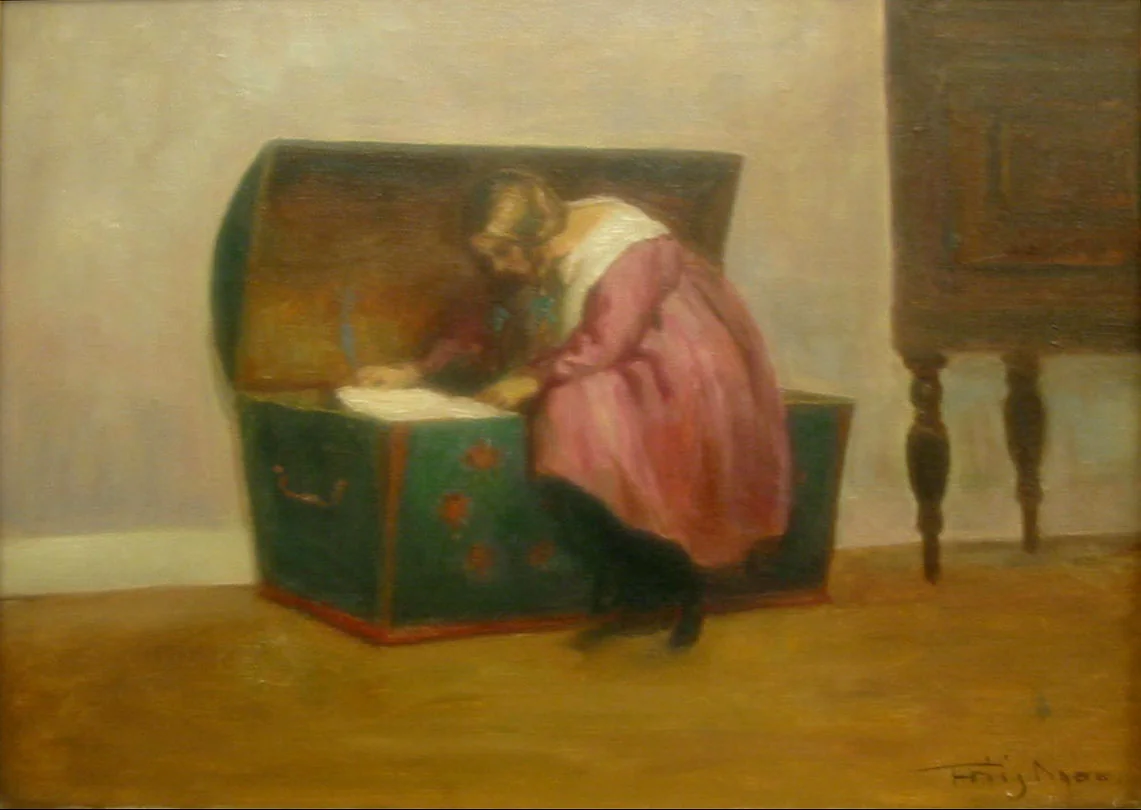
Image from Wikipedia
Image from Wikipedia
Dowry – a cultural term between marriage, household, and social order
The Dowry as a Mirror of Family, Property, and Tradition
Dowry, also known as bridal wealth, marriage goods, or formerly household tax, refers to wealth in the form of goods and household items that a bride brings into marriage. The term originates from the Middle High German “mitegift” and describes a culturally defined form of gift exchange surrounding a marriage. In its historical function, the dowry combined material provisions with social expectations and marked the transition into a new family structure. ([de.wikipedia.org](https://de.wikipedia.org/wiki/Musikjahr_2024?utm_source=openai))
Those who view the dowry from a cultural-historical perspective recognize it as much more than just a private household arrangement. It tells of economic hierarchies, notions of marriage and gender roles, as well as the importance of property within kinship groups. This tradition shaped everyday life in Germany well into the 20th century before losing its social relevance and today is only practiced sporadically. ([de.wikipedia.org](https://de.wikipedia.org/wiki/Musikjahr_2024?utm_source=openai))
From Bridal Gift to Social Institution
In classical forms of dowry, the wealth was not given randomly but as part of a regulated exchange between families. The gifts could be handed over from the bride's father or her kinship group to the groom's father or directly to the couple. This involved both a symbolic and practical function: the marriage was not only emotionally but also materially and socially secured. ([de.wikipedia.org](https://de.wikipedia.org/wiki/Musikjahr_2024?utm_source=openai))
This practice was closely linked to the idea that the bride began her new life phase with a basic provision. Thus, the dowry became an instrument of security and a visible expression of familial reputation. The quality and quantity of the transferred goods signaled status, economic capability, and the claim to an organized household. ([de.wikipedia.org](https://de.wikipedia.org/wiki/Musikjahr_2024?utm_source=openai))
The Dowry in Everyday Life in Germany
In Germany, it was customary until the late 20th century for young women to gather a dowry before marriage. This often included high-quality home textiles, dinnerware, and other everyday necessities that were collected as gifts over the years and carefully preserved. The term “dowry” refers back to the former significance of support and assistance in domestic life. ([de.wikipedia.org](https://de.wikipedia.org/wiki/Musikjahr_2024?utm_source=openai))
The concept of "dowry quality" was particularly influential. The amount and quality of these goods were ideally such that, with adequate financial means, they would last into old age. Thus, the dowry was understood not only as a starting capital for the household but also as long-term material security within a lifestyle strongly characterized by stability. ([de.wikipedia.org](https://de.wikipedia.org/wiki/Musikjahr_2024?utm_source=openai))
Language, Origin, and Change of Meaning
The term dowry is also linguistically interesting. The part of the word “-steuer” derives from the Old High German “stiura,” meaning “help” or “assistance.” This already captures the historical core of the word: it is about support, but also about a social order in which giving, receiving, and passing on were firmly anchored. ([de.wikipedia.org](https://de.wikipedia.org/wiki/Musikjahr_2024?utm_source=openai))
Throughout the 20th century, this tradition gradually lost its significance. Changes in gender roles, economic independence, and family structures shifted the cultural value of the dowry. Today, it is only sporadically practiced but remains relevant as a historical term and cultural phenomenon. ([de.wikipedia.org](https://de.wikipedia.org/wiki/Musikjahr_2024?utm_source=openai))
Dowry as a Cultural Code of the Household
The dowry is closely linked to the domestic space. Home textiles, dishes, and household items symbolically represented order, provision, and permanence. The household thus became a stage for social expectations, where material provisions and societal norms mutually confirmed each other. ([de.wikipedia.org](https://de.wikipedia.org/wiki/Musikjahr_2024?utm_source=openai))
This cultural-historical significance is where the term holds its power. Dowry shows how closely marriage, property, and family logic were intertwined. It marks a moment where individual life was embedded in collective structures, revealing how heavily material goods can be loaded with social roles. ([de.wikipedia.org](https://de.wikipedia.org/wiki/Musikjahr_2024?utm_source=openai))
Between Ritual and Social Reality
As a gift exchange associated with marriage, the dowry holds a clear ritualized dimension. Such rituals create obligations and shape transitions, securing the shift from one familial context to another. The dowry functioned as a cultural sign of belonging, responsibility, and expectation. ([de.wikipedia.org](https://de.wikipedia.org/wiki/Musikjahr_2024?utm_source=openai))
At the same time, it was never just a symbol but also a real material provision. It is precisely this combination of practicality and meaning that makes its historical allure. The dowry refers to a time when everyday objects were not merely functional but also told social stories. ([de.wikipedia.org](https://de.wikipedia.org/wiki/Musikjahr_2024?utm_source=openai))
Cultural Influence and Today’s Perspective
Even though dowries have become rare in today's everyday life, they remain present in research, language, and memory. The term is an excellent means to discuss historical marriage models, gender roles, and the transformation of familial economics. It opens the eyes to social structures that have shaped life across generations. ([de.wikipedia.org](https://de.wikipedia.org/wiki/Musikjahr_2024?utm_source=openai))
For those interested in culture, the dowry is thus a key term. It connects economic and social history with everyday culture and shows how closely material things can be tied to symbolic order. Understanding this tradition allows for a new reading of family and household history. ([de.wikipedia.org](https://de.wikipedia.org/wiki/Musikjahr_2024?utm_source=openai))
Conclusion: Why the Dowry Remains Fascinating to This Day
The dowry is not just a mere historical term for household goods but a cultural document about values, roles, and social practices. It highlights how closely marriage, property, and societal norms were interconnected and how strongly household culture functioned as an expression of identity. Particularly in its combination of material provision and symbolic significance, the dowry remains a fascinating topic for cultural history and social analysis. ([de.wikipedia.org](https://de.wikipedia.org/wiki/Musikjahr_2024?utm_source=openai))
For those interested in traditions, social rituals, and the history of everyday life, the dowry provides a multifaceted example of cultural change. It narrates stories of both stability and change and invites a closer examination of historical ways of living.
Official Channels of Dowry:
- Instagram: No official profile found
- Facebook: No official profile found
- YouTube: No official profile found
- Spotify: No official profile found
- TikTok: No official profile found