
Erkan und Stefan
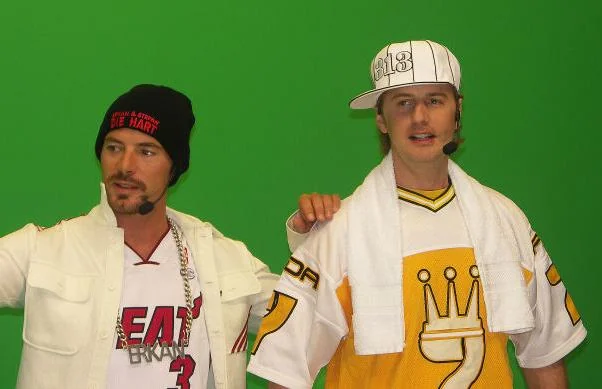
Image from Wikipedia
Image from Wikipedia
Erkan and Stefan – the iconic comedy duo between Kanak Sprak, pop culture, and the podcast era
Brutal, outrageous, unforgettable: Why Erkan and Stefan remain a part of German comedy history to this day
Erkan and Stefan are one of the most influential comedy phenomena in German pop culture from the late 1990s to the early 2000s. Behind these art figures are the Munich comedians John Friedmann and Florian Simbeck, who developed a distinctive style characterized by wordplay, exaggeration, and a deliberately gaudy character world. Their success spans radio and stage, through film, television, and voice acting, to an active podcast format and streaming appearances even today. ([de.wikipedia.org](https://de.wikipedia.org/wiki/Erkan_und_Stefan))
From character to cult: The beginnings on radio and stage
The career of Erkan and Stefan began in the 1990s with live performances in Munich and on comedy stages across Germany. Later, the duo established an elaborate backstory for their characters, further grounding their satire: Erkan Maria Moosleitner and Stefan Lust were portrayed as exaggerated types who parodied everyday life, youth jargon, and milieus from the Munich area. This character logic made the duo immediately recognizable and laid the groundwork for their swift breakthrough into the public eye. ([moviepilot.de](https://www.moviepilot.de/news/was-machen-eigentlich-erkan-und-stefan-194326?utm_source=openai))
Their language world was particularly influential. Erkan and Stefan were associated with neologisms like “brutal” and the “Döner animal,” which became entrenched far beyond the comedy format in the German-speaking area. This was precisely their strength: The characters functioned not just as sketches but as small cultural commentaries reflecting media hype, everyday culture, and youth codes. ([de.wikipedia.org](https://de.wikipedia.org/wiki/Erkan_und_Stefan))
The breakthrough: Film, television, and the great pop culture moment
The broad breakthrough came in 2000 with the feature film Erkan and Stefan, directed by Michael Herbig. The film's success led to the sequel Erkan and Stefan – Against the Powers of Darkness in 2002, which, however, did not achieve the box office results of the first part. In parallel, Erkan and Stefan gained further notoriety through appearances in Bullyparade, before they received their own TV show headnut.tv in 2002. ([de.wikipedia.org](https://de.wikipedia.org/wiki/Erkan_und_Stefan))
The media exploitation was also remarkable. The duo lent their voices to characters in well-known animated and film formats, including Asterix in America, Finding Nemo, and other dubbing projects. This demonstrated how flexibly the art figures functioned as brands, voices, and pop characters. The reach of Erkan and Stefan thus extended far beyond classic stage satire and established them as a fixed entity in the German entertainment system. ([de.wikipedia.org](https://de.wikipedia.org/wiki/Erkan_und_Stefan))
Music as part of the identity: Discography, hits, and the line between comedy and soundtrack
Although Erkan and Stefan are primarily regarded as a comedy duo, their discography holds clear cultural relevance. Among their early releases are Die Hart (1997), Krass – vs Ali Kahn (1998), Brutal (1999), Ich schwör (1999), and the album Planet Döner (2000), which reached number 75 in the German album charts. Further releases like Auf Kleba, Brauchst du Probleme, Endskorrekt Krass – Best of, and Checker document how consistently the duo transferred their character world to audio media. ([de.wikipedia.org](https://de.wikipedia.org/wiki/Erkan_und_Stefan))
A particularly notable role was played by the single Wot (I Say Captain) with Captain Sensible and Trooper Da Don, which reached number 80 in the German singles charts in 2005. This indicates that Erkan and Stefan did not only function as television and film characters but were also observed in the pop and music market. Their sound consistently occupied the borderland between comedy, parody, and audio drama, yet it was this hybrid form that made their releases appealing to a broad audience. ([de.wikipedia.org](https://de.wikipedia.org/wiki/Erkan_und_Stefan))
Stylistics and cultural influence: Kanak Sprak, parody, and provocation
Content-wise, Erkan and Stefan drew on the parody of Kanak Sprak and the satirical exaggeration of migrant youth languages. This dual effect of their work lay precisely in this: on one hand, they hit the nerve of an audience that reacted to quick, crude, and distinctive characters; on the other hand, the project was critiqued early on. From the outset, there were accusations that majorities might be amused at the expense of minorities. ([de.wikipedia.org](https://de.wikipedia.org/wiki/Erkan_und_Stefan))
This tension has followed the duo to this day. Later critiques viewed the return of the characters as a performance stemming from an earlier media logic, which would be assessed differently in a more diverse comedy landscape. Nevertheless, their influence on German comedy remains undisputed: Erkan and Stefan shaped the tone of an entire era where exaggeration, wordplay, and media self-parody became core elements of mainstream humor. ([de.wikipedia.org](https://de.wikipedia.org/wiki/Erkan_und_Stefan))
Return in new media: Podcast, Twitch, and current formats
After a phase without significant live presence, Erkan and Stefan returned to new digital formats in the 2020s. According to Wikipedia, they started a Twitch channel after the onset of the COVID-19 pandemic, which remains active today; additionally, their official website points to the podcast Erkan & Stefan – Headnut Talk, which is released weekly and also available as a video on YouTube. In this way, they have transitioned their stage presence into the streaming age and created a new, direct form of audience engagement. ([de.wikipedia.org](https://de.wikipedia.org/wiki/Erkan_und_Stefan))
Even in 2023, Erkan and Stefan appeared in the reality TV format Forsthaus Rampensau Germany, which brought their media presence back into the mainstream. The current podcast demonstrates that the duo does not operate as a nostalgic relic but as an ongoing entertainment format that engages with contemporary issues. The themes of the recent episodes range from geopolitical references to everyday punchlines, confirming that their humor continues to rely on pace, exaggeration, and commentary. ([de.wikipedia.org](https://de.wikipedia.org/wiki/Erkan_und_Stefan))
Musical preferences and pop references: A look at their playlist
An intriguing insight into the musical socialization of the duo was revealed in 2019 in the ORF format Treffpunkt Gästeliste. There, Erkan and Stefan presented a playlist that ranged from Shawn Mendes to James Brown, 2Pac, and Grandmaster Flash, all the way to Depeche Mode and Snoop Dogg with Dr. Dre. This selection shows how strongly their cultural horizon is shaped by rap, pop, funk, and electronic music, and how open their references are across multiple genres. ([oe3.orf.at](https://oe3.orf.at/programm/stories/erkanundstefan/?utm_source=openai))
This musical background helps to better understand their work. Erkan and Stefan do not work like traditional musicians, but they utilize musical codes, a sense of rhythm, and pop dramaturgy as essential components of their comedy. This makes their releases, performances, and audio drama formats a hybrid of satire, soundtrack, and media figure, which has rarely been executed so consistently in German entertainment. ([oe3.orf.at](https://oe3.orf.at/programm/stories/erkanundstefan/?utm_source=openai))
Conclusion: Why Erkan and Stefan remain intriguing
Erkan and Stefan are more than a nostalgic reminder of the comedy of the 2000s. The duo represents a significant moment in German pop culture, where language, character comedy, musical references, and media presentation merged into their own universe. Anyone who wants to understand how enduring entertainment brands are created will find a case study here that bridges stage energy, discography, film success, and digital rebirth. ([de.wikipedia.org](https://de.wikipedia.org/wiki/Erkan_und_Stefan))
Especially because their character language is still recognizable today and their career spans various media forms, Erkan and Stefan remain an exciting chapter in German cultural history. Anyone who loves comedy, pop, and media self-presentation should not only remember the duo but experience them live, in the podcast, or on stage. There, it becomes most evident why their style still stands out so remarkably today. ([de.wikipedia.org](https://de.wikipedia.org/wiki/Erkan_und_Stefan))
Official channels of Erkan and Stefan:
- Instagram: https://instagram.com/erkanstefanoffiziell
- Facebook: no official profile found
- YouTube: https://youtube.com/erkanstefan
- Spotify: https://open.spotify.com/show/6k1k9TSkbiNuIk04Rd2wgy?si=48iEzH4_RD-vb4MfGMDgaQ
- TikTok: https://tiktok.com/@erkanstefanoffiziell
- Twitch: https://www.twitch.tv/erkanundstefan