
Sophie Auster
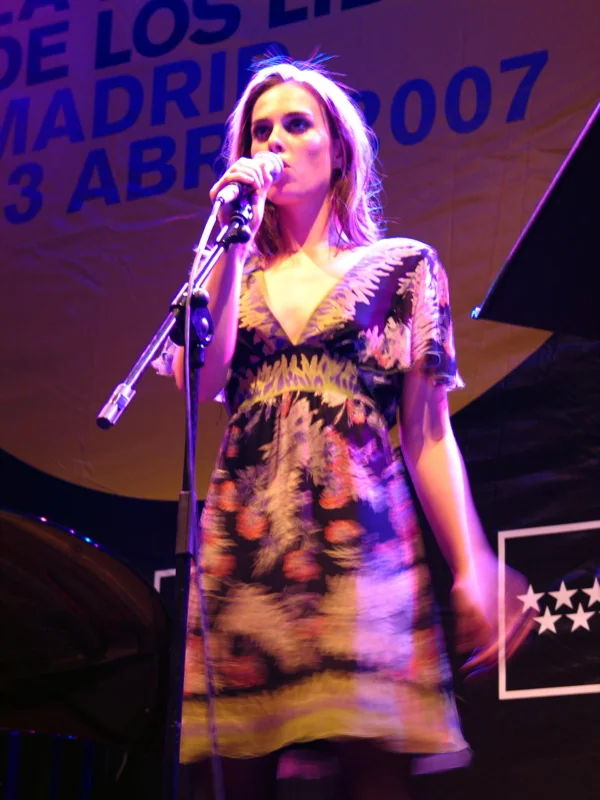
Image from Wikipedia
Image from Wikipedia
Sophie Auster: Between Literary Heritage, Cinematic Elegance, and Modern Songwriter Power
An Artist with a Distinctive Style and Extraordinary Biography
Sophie Auster is one of those artists whose music career is told not only through sound but through attitude and atmosphere. Born on July 6, 1987, in Brooklyn, she grew up in an intellectually and artistically rich environment as the daughter of writers Paul Auster and Siri Hustvedt. This background explains a lot, but it does not replace anything – for Auster has established a distinct artistic identity that navigates between singer-songwriter tradition, alternative pop, soul elements, and cinematic intimacy.
From an early age, she focused not only on her voice but also on the stage, the camera, and the question of how to shape emotions into a form that feels both personal and universal. Her career combines musicality with a stylish presence, literary sensitivity with emotional directness. It is precisely this blend that makes this artist compelling: Sophie Auster never sounds arbitrary but always like a personality with her own story, language, and dramaturgy.
Early Influences: Music, Acting, and an Artistic Environment
From childhood, Sophie Auster began taking music lessons and studying classical singing. At the age of eight, she was singing, and just a year later, she was already in front of the camera as a child actor. This early proximity to different art forms has visibly shaped her later work: her songs often think visually, her performances thrive on presence, and her voice carries a controlled emotionality typically associated with chanson, jazz, or high-caliber songwriting rather than interchangeable pop routines.
As a teenager, she performed in New York clubs with jazz standards and gained stage experience in an Off-Broadway ensemble. This experience is crucial because it laid the groundwork for her later stage presence: no artificial poses but practiced expressiveness. From these early years, a music career emerged that focuses not on quick effects but on maturation, repertoire, and steady development.
The Breakthrough: From Debut Album to International Recognition
At sixteen, Sophie Auster recorded her first album, which was later released by Naïve Records in France. The fact that such a young debut elicited considerable resonance speaks to her artistic instinct and her unusually developed voice. The release garnered her critical acclaim in Europe and opened doors to tours, media interest, and an audience that saw in her more than just a "daughter of" phenomenon.
In the following years, she further developed her songwriting style and solidified a profile characterized by clear melodies, distinctive arrangements, and very direct emotional engagement. Sophie Auster's discography does not showcase frantic style-hopping but rather a controlled expansion: each project enriches the soundscape without compromising her core identity. This very continuity lends weight to her artistic biography.
Discography: Albums, EPs, and Defining Songs
Her official work history includes three albums and two EPs. The LPs comprise her self-titled debut, Dogs and Men, and Next Time. Also included are the EP Red Weather and History Happens at Night, which was released in 2019. These releases mark different phases of a songwriter who moves between intimacy and a broader pop gesture without losing her artistic integrity.
Particularly, Next Time represents a matured, vividly orchestrated sound. Produced by Tore Johansson, the album draws motifs from 60s girl groups, Peggy Lee, and 70s soul, translating them into a modern songwriter aesthetic. In the selection of tracks and arrangements, it becomes clear how important the tension between nostalgia and the present is to her. Songs like "Dance With Me," "Rising Sun," and "Mexico" showcase her ability to intricately weave mood, melody, and lyric together.
Current Projects: Milk for Ulcers and New Musical Chapters
In 2025, Sophie Auster will release the album Milk for Ulcers, which is described as her fourth studio album. The artist herself calls it her most intimate work to date. The content of the album draws from significant personal upheavals: the death of close family members, her father's cancer diagnosis and subsequent passing, and the birth of her son, Miles, at the beginning of 2024. This biographical concentration makes the work more than just a new release – it serves as a document of emotional processing in real-time.
The album was listed as a record through The Orchard and was available on CD prior to its retail release. Simultaneously, a new single, "Look What You’re Doing to Me," was released, and an album release party in New York was announced on her official Linktree page. In this phase, Sophie Auster emerges as an artist who brings themes of loss, motherhood, memory, and healing into a coherent musical form.
Stylistics: Voice, Arrangement, and Emotional Control
The stylistic core of Sophie Auster lies in her voice. Music press and artist websites describe her as unusually expressive, sometimes jazzy, sometimes rough, sometimes pop-oriented, and at times soul-infused. It is this very mixture that makes her songs distinctive: she sings not only cleanly but with dramatic awareness. In her recordings, the balance between sparse instrumentation and deliberately placed sound colors plays a central role.
The official website cites comparisons with Nina Simone, Billie Holiday, Tom Waits, and Fiona Apple – names that mark a very precise coordinate system. Here, it’s about intensity, individuality, lyrical sensitivity, and a certain unpredictability in the best sense. Sophie Auster combines this heritage with a contemporary understanding of pop, creating songs that work in both club contexts and intimate listening situations.
Critical Reception and Cultural Journalism Classification
The response to Sophie Auster has been remarkably consistent over the years. Media praised her blend of jazz aura, rock edge, pop hooks, and soul sensitivity. Critics highlighted her "entrancing" voice, her elegant presentation style, and the quality of her hooks. Particularly impressive is that her perception was never reduced to mere beauty: her compositional clarity and her ability to create emotional tension without over-dramatization were often emphasized.
Her accolades include the Grand Prize in the John Lennon Songwriting Contest for "Little Bird" and being named Singer of the Year by Cosmopolitan Spain. These awards are more than decorative milestones; they mark an authority in the field of songwriting. Additionally, there have been mentions in international music press and recognition in German-speaking media, confirming her artistic profile as a serious, stylish, and character-driven songwriter.
Film, Fashion, and Cultural Context
Sophie Auster is not only a musician but also an actress, making her part of an artist biography that navigates between multiple forms of expression. She was in front of the camera at an early age, and later she made further appearances in film and television. This multifaceted talent is also reflected in her aesthetic impact: she understands staging, imagery, and presence – and uses all of this to serve her music, rather than merely as a superficial effect.
Her relationship with the fashion world is also notable and well-documented. She has appeared at private events and collaborations with brands like Chanel, Dior, and Ferragamo. This underscores her status as an artist with a strong visual identity, without overshadowing the music behind it. Rather, this interdisciplinary positioning enhances her cultural influence: Sophie Auster embodies a form of pop culture that intertwines style, language, and sound.
Conclusion: An Artist with Depth, Attitude, and Lasting Radiance
Sophie Auster is fascinating because she does not showcase biography but transforms it into art. Her music carries traces of education, loss, motherhood, urban experience, and artistic discipline. Those who listen to her discography encounter not a figure meant for quick consumption but a musician who crafts songs as spaces for memory, comfort, and self-assertion.
It is precisely here that her unique strength lies: she combines classic songwriter qualities with a modern, deeply personal form of emotionality. Anyone who experiences Sophie Auster live does not witness a mere interpretation of songs but rather an artist filling her stage with substance. That is why it is worth following her development and experiencing her on stage, where her voice, elegance, and narrative power resonate most strongly.
Official Channels of Sophie Auster:
- Instagram: https://instagram.com/sophieauster
- Facebook: https://www.facebook.com/SophieAusterMusic
- YouTube: https://www.youtube.com/channel/UCVAo1Dx3QMkpS6IBCNOprMQ
- Spotify: https://open.spotify.com/artist/00ADJx9UolqyBRnMyY8DT6
- TikTok: No official profile found